Dr. Oz Pink Gelatin: A Light Recipe That May Support Weight Loss Through Structured, Mindful Eating
Learn why the pink gelatin recipe is gaining attention among individuals seeking practical, sustainable ways to support weight loss while maintaining balanced nutrition habits.
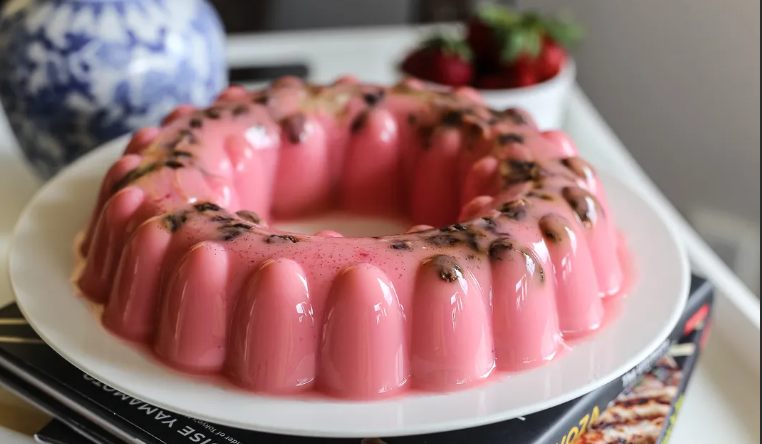
What You'll Learn About Pink Gelatin
This educational guide explores how pink gelatin fits into modern conversations around balanced nutrition, portion-aware foods, and realistic strategies that may support weight loss.
By reading this page, you will discover:
- What pink gelatin is and why the pink gelatin recipe has become widely discussed
- How portion-aware foods may support mindful eating patterns
- Why lighter recipes like pink jello are often included in structured routines
- How preparing pink jello with one tablespoon measurements may encourage consistency
- The growing shift toward sustainable weight management strategies
- How simple nutritional structures can help reduce decision fatigue
Our objective is to provide clear, responsible education so you can determine whether the pink gelatin recipe aligns with your personal wellness approach.
What Is The Dr. Oz's Pink Gelatin?
Pink gelatin is a light, easy-to-prepare recipe frequently discussed in wellness spaces focused on balanced nutrition and sustainable habits.
Often referred to as pink jello, this recipe is appreciated for its simplicity, adaptable texture, and compatibility with portion-conscious eating patterns.
The phrase pink gelatin recipe typically describes a preparation that emphasizes:
- Gentle portions
- Light consistency
- Routine-friendly preparation
- Practical structure
Many people exploring weight management prefer foods that feel predictable, convenient, and satisfying without being overly heavy. That is where the pink gelatin recipe often enters the conversation.
Why Pink Gelatin Is Drawing Increased Interest
As nutrition guidance continues to evolve, there has been a noticeable movement away from extreme approaches and toward realistic habits that can be maintained over time.
Within this context, pink gelatin is often viewed as a supportive addition to a balanced lifestyle that may support weight loss when incorporated into consistent routines.
When prepared thoughtfully, lighter recipes such as pink jello may help encourage:
- Portion awareness
- Intentional food choices
- Satiety support
- Reduced impulsive snacking
- Greater daily consistency
Rather than presenting any single food as a solution, wellness experts frequently highlight the cumulative effect of small, repeatable behaviors.
Curious how to prepare it?
The Role of Portion-Aware Foods in Modern Nutrition
Today, many nutrition discussions emphasize awareness rather than restriction.
Portion-conscious options — including recipes like pink gelatin — can make it easier for some individuals to maintain steady eating patterns without unnecessary complexity.
Additionally, light recipes and protein-aware snacks are often appreciated for their ability to fit between meals while complementing broader wellness goals.
It is important to understand that no single food defines long-term outcomes. However, supportive choices repeated consistently may help reinforce habits associated with sustainable weight management.
Why Measurements Like "One Tablespoon" Matter
One behavioral concept frequently explored in nutrition science is environmental structure — organizing food choices in ways that make supportive decisions easier.
Preparing pink jello with one tablespoon of a selected ingredient can help promote:
- Predictable portions
- Preparation consistency
- Calmer decision-making
- Repeatable routines
This approach is not about restriction. It is about creating gentle guardrails that may support long-term weight stability.
Simplicity Often Drives Consistency
One reason the pink gelatin recipe continues to gain visibility is its practicality.
Busy schedules often create decision fatigue around food. Having simple options available may help reduce that friction.
Pink gelatin is commonly valued because it can be:
- Prepared ahead of time
- Easily portioned
- Stored conveniently
- Adapted to flavor preferences
- Integrated into weekly planning
These characteristics align closely with modern wellness strategies that prioritize realistic structure over intensity.
Ready to see how it's made?
Pink Gelatin Within a Sustainable Weight Loss Approach
Sustainable weight loss rarely depends on dramatic change. Instead, it tends to reflect steady behaviors practiced over time.
Supportive foods like pink gelatin are often discussed alongside foundational habits such as:
- Mindful eating
- Regular physical movement
- Hydration
- Restorative sleep
- Balanced nutrient intake
Together, these elements contribute to a more stable and manageable lifestyle rhythm.
Pink gelatin should therefore be understood not as a shortcut, but as one potential component within a broader framework of intentional living.
Who Typically Researches the Dr. Oz Pink Gelatin Recipe?
Interest in pink gelatin spans a wide range of individuals seeking approachable nutrition ideas that may support weight loss without extreme measures.
People often explore the pink jello recipe when looking for:
- Lighter dessert alternatives
- Structured eating support
- Portion-aware snack options
- Practical wellness strategies
- Sustainable nutrition habits
Its growing popularity reflects a broader cultural movement toward balance, flexibility, and long-term thinking.
Final Thoughts
If you've been researching for Dr. Oz pink gelatin recipe, you are part of a growing number of individuals prioritizing informed, thoughtful wellness decisions.
Learning about supportive recipes — including preparing pink jello with one tablespoon measurements — can help you build routines that feel both realistic and maintainable.
There is no universal formula for wellbeing — only the path that aligns with your needs, preferences, and lifestyle.
Frequently Asked Questions About Pink Gelatin
Is Dr. Oz pink gelatin the same as pink jello?
Pink gelatin and pink jello are often used interchangeably to describe a light gelatin-based recipe with a pink hue. Ingredient choices may vary depending on preference.
Can the pink gelatin recipe support weight loss?
The pink gelatin recipe is best viewed as a supportive food option. When incorporated into balanced routines, portion-aware foods may help reinforce habits associated with weight management.
Why do some recipes suggest using one tablespoon?
Using one tablespoon helps create consistency in preparation and portioning, which may support structured eating behaviors.
Can pink gelatin replace meals?
No. Pink gelatin is typically consumed alongside a well-rounded nutrition plan and is not intended to replace complete meals.
Is pink gelatin safe for everyone?
Individual needs vary. Consulting a qualified healthcare professional is recommended before making meaningful dietary adjustments.
How quickly do supportive nutrition strategies work?
Sustainable progress usually reflects consistent behaviors rather than any single food.
About Health Inspire
About Health Inspire
Health Inspire is an educational wellness publication committed to making nutrition concepts clearer, calmer, and more accessible.
Our mission is to translate evolving wellness research into practical insights readers can thoughtfully evaluate.
We focus on balanced topics — including supportive recipes like the pink gelatin recipe — without promoting extremes, sensationalism, or unrealistic expectations.
We believe informed decisions begin with responsible education.
Editorial Policy
At Health Inspire, accuracy and reader trust guide our editorial standards.
Our content is created to be:
- Educational rather than promotional
- Responsible rather than exaggerated
- Supportive rather than prescriptive
Topics such as pink gelatin are presented within the broader context of sustainable wellness habits.
Articles are periodically reviewed to maintain clarity and relevance, though readers should always seek personalized guidance from licensed professionals.
Sources & Methodology
Our educational materials are informed by widely accepted principles within nutrition science and behavioral wellness research.
We review established literature related to:
- Satiety and appetite awareness
- Balanced dietary patterns
- Sustainable habit formation
- Lifestyle consistency
- Behavioral nutrition
This content is intended for general education and should not replace individualized professional advice.
Last Updated
Last Updated: February 13, 2026