LOWER BLOOD SUGAR AND SUPPORT TYPE 2 DIABETES: A COMPLETE AT-HOME EDUCATIONAL GUIDE
People searching online for how to lower blood sugar, A1C or how to reverse type 2 are usually looking for clear, reliable information they can trust. They want to understand what affects blood sugar levels, how glucose works in the body, and what practical steps may help support metabolic health at home.
This page was created as an educational resource for individuals researching how to lower blood sugar using non-extreme, lifestyle-based approaches.
Understanding Blood Sugar, Glucose, and Metabolic Balance
Blood sugar, also called blood glucose, refers to the amount of glucose present in the bloodstream. Glucose is the body's primary source of energy and comes mainly from carbohydrates in food.
When glucose levels rise or fall too quickly, the body may struggle to maintain balance. This is why many people research:
- how to lower your blood sugar, A1C
- how to support blood sugar stability
Learning how to lower glucose safely involves understanding how diet, routine, and nutritional support influence blood sugar patterns throughout the day.
Lower Blood Sugar
Many users search for how to lower blood sugar, while others focus on how to lower blood sugar naturally. These searches often reflect different goals.
Educational resources generally explain that:
- Lowering blood sugar may involve short-term adjustments such as food timing, hydration, or gentle activity
- Lowering blood sugar naturally focuses on consistent habits that support glucose balance over time
- Long-term blood sugar support typically emphasizes sustainable routines rather than rapid or extreme interventions.
Understanding the difference between how to lower blood sugar, lower A1C and how to lower blood sugar naturally can help individuals choose approaches that fit their lifestyle and long-term goals.
How to Lower Blood Sugar at Home
Many people prefer learning how to lower blood sugar at home rather than relying solely on external interventions. At-home strategies often focus on daily habits that are realistic and repeatable.
Commonly discussed methods include:
- Balanced meals designed to help lower glucose
- Nutritional choices that support blood sugar
- Daily routines that promote stable glucose responses
These approaches are often part of broader discussions around how to support type 2 diabetes at home using lifestyle-based education.
Diet and Blood Sugar Support
Diet plays a central role in efforts to lower blood sugar naturally. Educational guidance often highlights the importance of:
- Consistent meal timing
- Whole, minimally processed foods
- Balanced macronutrient intake
Rather than focusing on restriction, many people work toward habits that help support blood sugar steadily throughout the day.
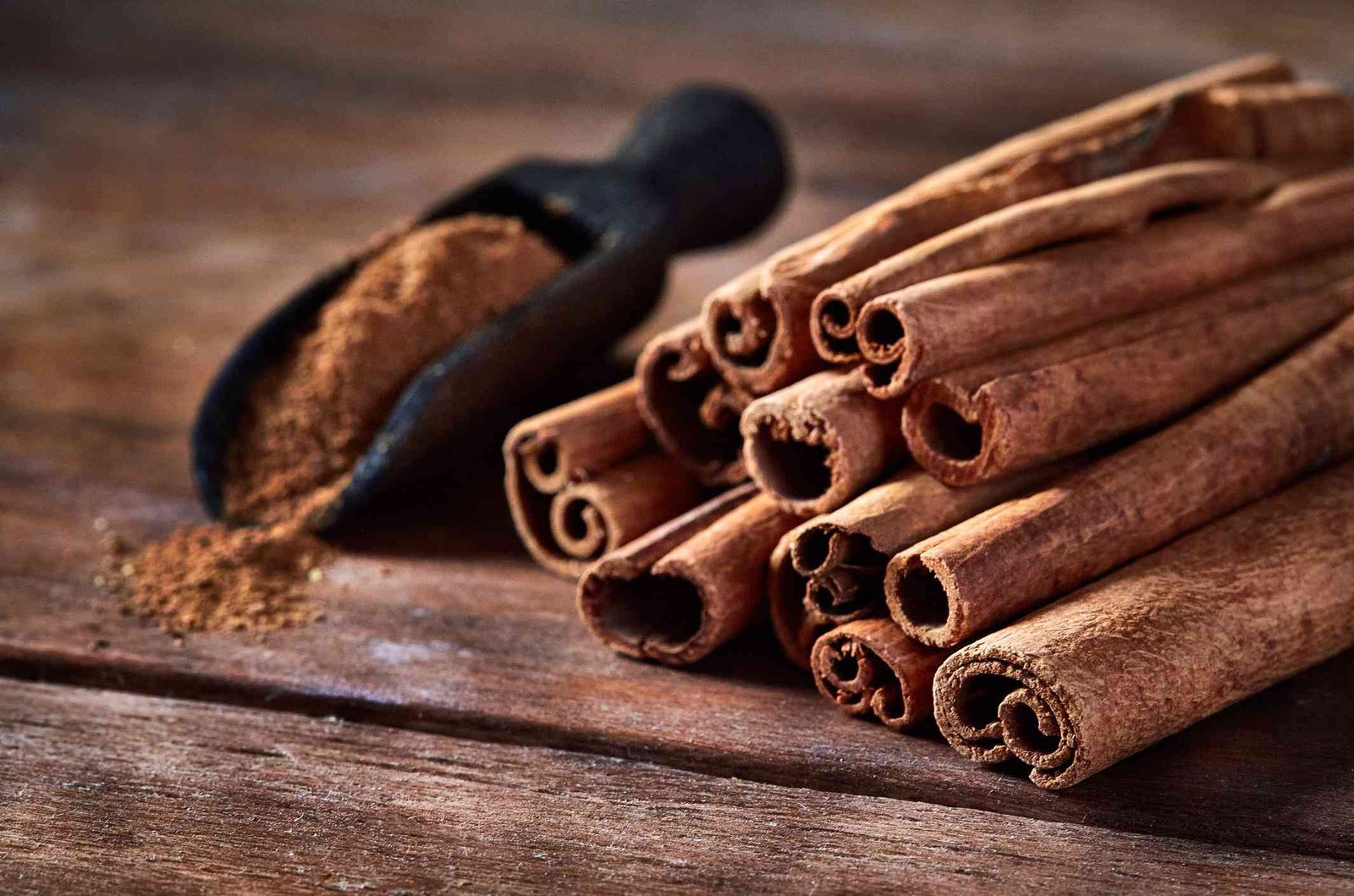
Cinnamon and Blood Sugar Support in the Diet
Certain foods and spices have been studied for their role in glucose metabolism. One commonly discussed example is cinnamon.
Cinnamon can support blood sugar when included in the diet as part of an overall balanced eating pattern. It is widely used, accessible, and frequently mentioned in nutritional research related to metabolic health.
Cinnamon is often included in discussions about:
- How to lower blood sugar naturally
- Ways to support blood sugar after meals
- Dietary patterns designed to lower blood sugar at home
When used consistently in the diet, cinnamon is one of several natural components people explore while learning how to lower your blood sugar through everyday choices.
Lower Blood Sugar: Educational Context
Educational content often explains that blood sugar balance involves avoiding both extreme highs and lows.
Supporting stable blood sugar typically includes:
- Regular meals
- Balanced nutrient intake
- Awareness of how foods affect glucose levels
Maintaining balance is a key part of broader educational discussions on how to support blood sugar effectively.
How to Reverse Type 2: Educational and Lifestyle Perspective
Searches for how to support diabetes and how to reverse type 2 naturally often reflect interest in lifestyle-based strategies that support metabolic improvement over time.
Educational materials commonly focus on:
- How consistent routines can support blood sugar
- How at-home strategies may help improve glucose management
These discussions emphasize learning, structure, and long-term consistency rather than guarantees or medical promises.
How to Support Type 2 Diabetes
People researching how to reverse type 2 at home often want approaches that fit into daily life. Educational resources typically highlight:
- Diet patterns that help lower blood sugar
- Nutritional components that support blood sugar
- Habits that promote steady glucose balance
These strategies are discussed as part of a broader lifestyle framework rather than as medical treatment.
Educational Presentation on Blood Sugar and Type 2 Diabetes Support
If you are interested in learning more about:
- How to lower blood sugar
- How to lower your blood sugar at home
- How to reverse type 2
You may find the following educational presentation helpful.
Educational content only. This information supports general wellness and is not intended as medical advice, diagnosis, or treatment.